
- Main
- Artists' works
- Ukrainian Insurgent Architecture: Memory in Motion
Bohdan Seredyak
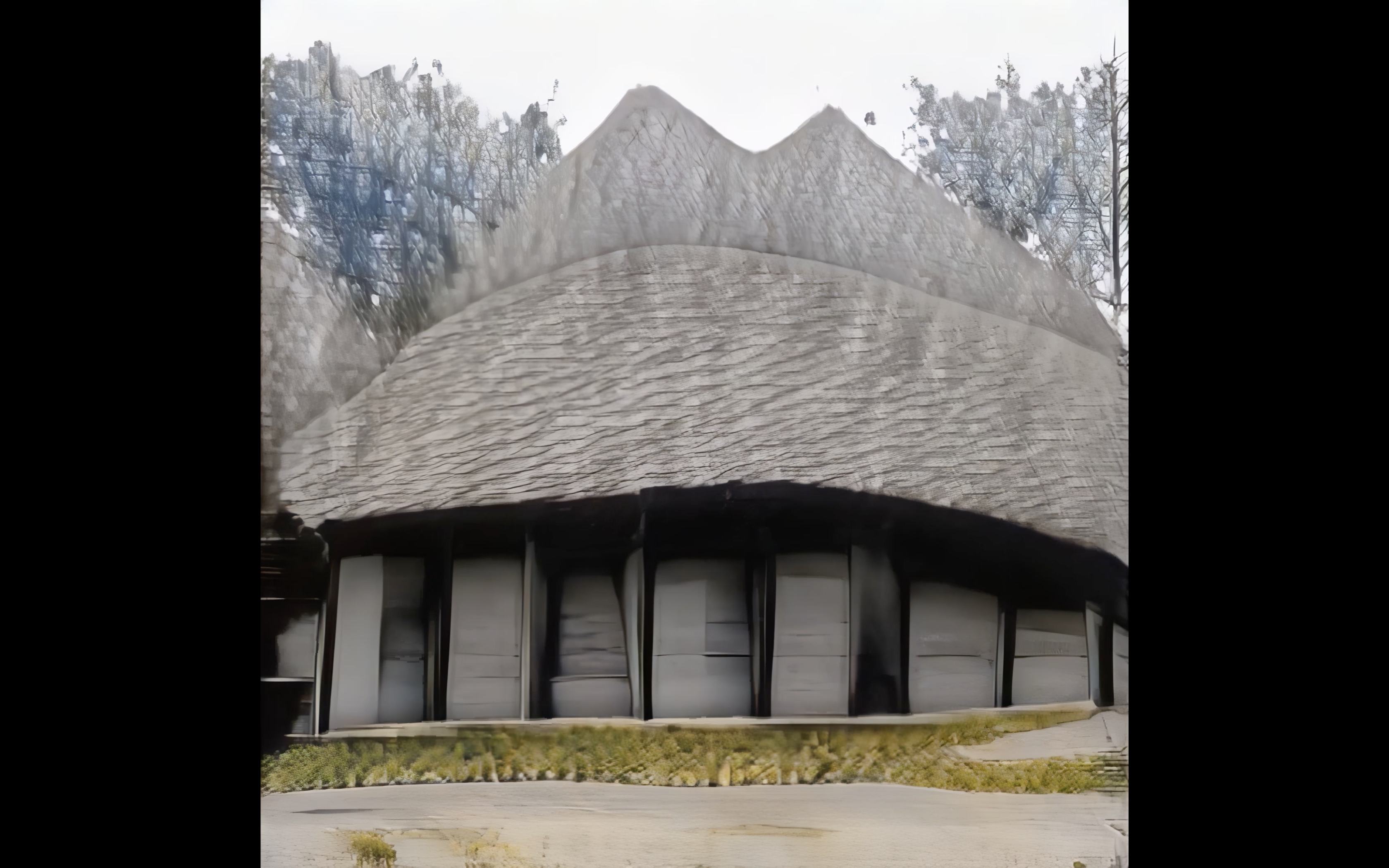
Architecture is a container of collective memory. When it is destroyed, the continuity of history is placed at risk. How can we be reborn after catastrophe? Architecture and the urban environment are intertwined with creation and remembrance because they evoke emotions connected to history. How can we preserve the memory of what has happened while still being able to move beyond it?
Healing is not a cosmetic process; rather, it articulates differences that both deeply divide and unite us. Accepting a scar is accepting existence itself. In the era of realism, destruction marks a dramatic rise in the number of ruined cities around the world, challenging the traditional perception of architecture as a carrier of hope and progress. Yet the 21st century reveals how design and architecture can be implicated in destruction, while also demonstrating the potential architecture holds to confront such circumstances. Even within devastation, hope remains.
However, with the globalization of the world, the sense of place is increasingly lost. Across the globe, megacities begin to resemble one another, while rich cultural heritage recedes into the background. Throughout its history, Ukraine has lacked a clearly defined architectural style—and therefore an identity within it. Looking at the past, we can identify four distinct genres that make up much of what can be seen in the country: the Byzantine architecture of Kyivan Rus, European and Ukrainian Baroque, traditional Hutsul architecture, and Soviet Modernism.
But when the war ends, in which style will we rebuild in order to preserve collective memory and identity? The proposal of UPA is not a final solution but rather a strategy. Using machine learning technologies, it merges these styles to create a unique, futuristic, and distinctly Ukrainian architectural language. New ways of living will not resemble the old ones. Protocols of human interaction are changing. The reconstruction of past architecture must provide progressive yet mnemonic ideas for a new everyday life. Through conscious design and intention, the familiar old must be transformed into an unfamiliar, radically new future.
The video presented at M17 is part of a multimedia work and marks its premiere in Ukraine. UPA was first supported by the Consulate of Ukraine in Japan in 2023 and presented at Contrast Gallery (Tokyo, Japan). It was subsequently shown at Scuola Internazionale di Grafica (Venice, Italy), Fabrikraum Gallery (Vienna, Austria), and last year at the Dordrechts Museum (Dordrecht, Netherlands).
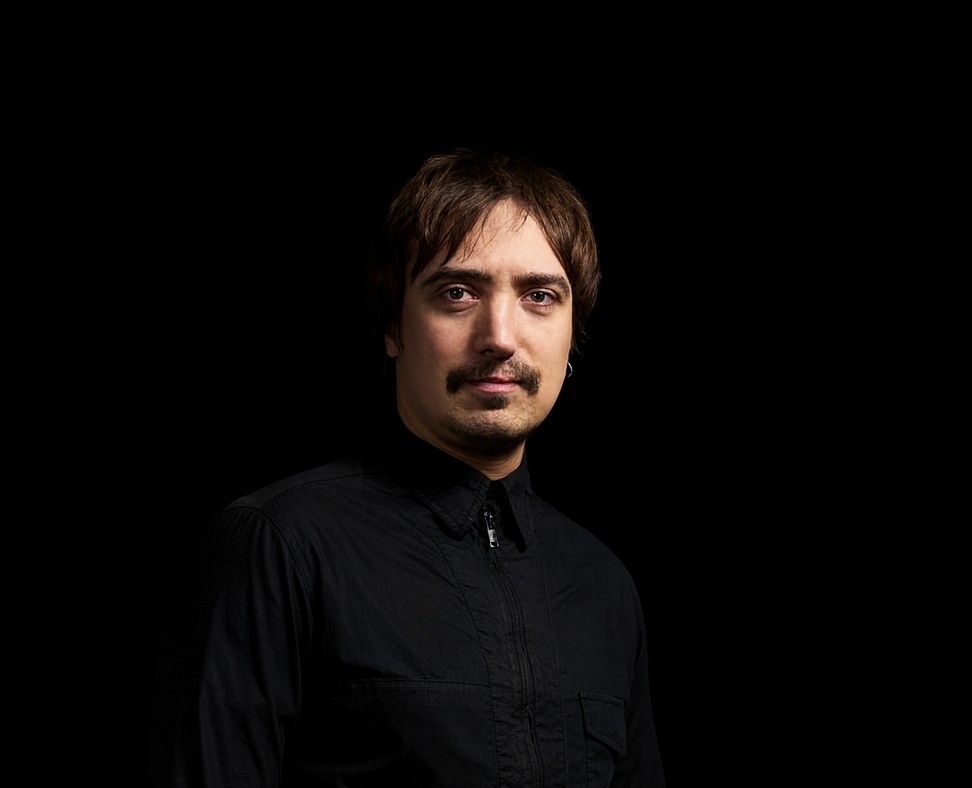
Bohdan Seredyak is an architect, urbanist, and artist from Ivano-Frankivsk, Ukraine. In 2012, he graduated from the New Jersey Institute of Technology with a degree in Architecture and Design. He has professional experience in Ukraine, the Netherlands, and the United States. His work explores the expansion of everyday environments through applied design, spatial and site-specific installations, and other interventions based on urban and social research at various scales.
Seredyak works with themes of war, collective memory, national identity, and urban interventions. Among his recent projects are Communicator (Detalizatsiia Festival, Ivano-Frankivsk), Suspended Territories (Taipei, Taiwan), The Standard Meat (New York, USA), Portals (Fantazery Contemporary Art, Music, and Ecological Cultural Tourism Festival, Dragobrat, Ukraine), Port Kultury (Mariupol, Ukraine), and the curatorial installation of Yurii Yehorov at the National Art Museum of Ukraine (Kyiv, Ukraine).